Whimsical Christmas Fairy Clipart: A Designer’s Real-World Take
When I first opened the Whimsical Christmas Fairy Clipart file, I was immediately drawn to its charm. The design has a soft, magical feel with delicate outlines and subtle details that make it stand out from the usual holiday motifs. It's not just another Santa or snowman—it brings a touch of fantasy and warmth to any embroidery project. As someone who regularly evaluates machine embroidery designs for real-world application, I look beyond aesthetics and consider how well they perform across different products, fabrics, and customer expectations. Here’s what I found after testing this illustration in several practical scenarios.
First Impressions and Design Personality
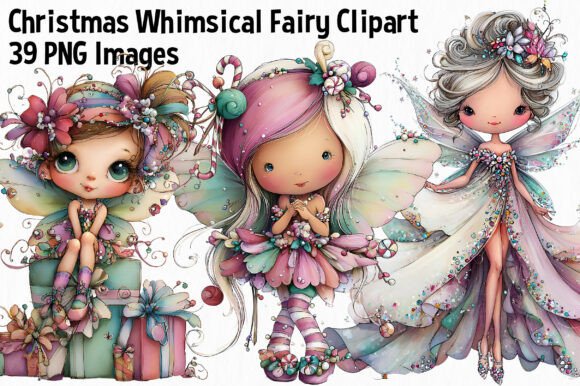
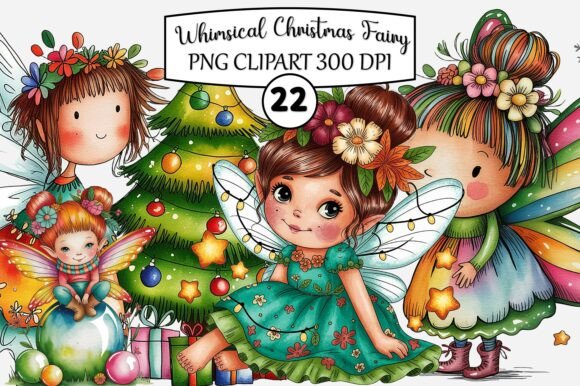
The Whimsical Christmas Fairy Clipart is an elegant blend of whimsy and elegance. The fairy appears as if she’s floating gently through a snowy forest, her dress flowing and sparkles adding a festive flair. The layout is balanced, with enough negative space to let the character breathe on the fabric without overwhelming the design area. The level of detail is moderate—there are no overly intricate patterns that might break under stress, but there are enough textures and small elements to give the piece visual interest.
This kind of illustration naturally fits into custom apparel and accessories, especially those aimed at children or clients looking for a more artistic take on traditional holiday themes. The gentle curves and organic flow of the lines suggest it would work best on items like sweatshirts, pillow covers, or custom tote bags. It also has potential for nursery decor or holiday gifts where a softer, dreamier aesthetic is preferred.
Performance in Real-Life Embroidery Projects
I tested the design on a few common substrates used in my craft business: cotton blends, stretch knits, and felt for patches. On medium-weight cotton, the fairy looked beautiful with clear stitch definition. The satin stitches around her edges were smooth, and the fill areas held their shape well. When stitched onto a tote bag made from a textured canvas material, the result was still pleasing, though the texture did affect the overall crispness slightly.
For custom sweatshirt embroidery, I layered the design over a dark navy base. The contrast between the dark fabric and the bright thread colors helped the fairy pop, making it a standout feature. However, when I tried using the same design on a black cap, the outcome wasn’t as satisfying. The darker background dulled some of the finer details, especially the sparkle accents, which lost their magic under the shadow of the fabric.
As a handmade product designer, I often need illustrations that can scale down without losing identity. This clipart handled resizing reasonably well—down to about 3 inches—but anything smaller started to lose clarity in the facial features and wings. That said, it works beautifully as a larger embroidered patch or as a central graphic on a personalized gift like a baby blanket or apron.
Where to Use With Care
While the Whimsical Christmas Fairy Clipart is versatile, there are certain situations where it may not deliver the expected results. If you're working with small hoop sizes, be cautious—this design needs room to show off its details. I recommend a minimum hoop size of 5x7 inches for optimal visibility.
Also, avoid stitching it onto very thin or stretchy fabrics unless you're prepared to use extra stabilizer. The stitch density in some parts, particularly the floral patterns and sparkles, could cause puckering or distortion if not properly supported. Textured materials like denim or flannel will require careful tension adjustments to ensure the running stitch sections don't become too loose or jagged.
Another thing to note is the use of multiple thread colors. While this adds dimension and visual appeal, it can complicate the process for hobbyists or beginners who aren’t confident in managing color changes. If you’re planning to use this in high-volume commercial projects, such as selling embroidered kitchen towels at your Etsy shop, make sure you have a good understanding of how to handle multi-color embroidery files efficiently.
Design Notes for Maximum Impact
- Test on scrap fabric before committing to a final product. Especially if you're using it on a dark or stretchy base.
- Check thread color contrast to ensure visibility. Darker threads won’t bring out the same charm as lighter ones on white backgrounds.
- Review stitch density settings. Some areas may benefit from slight reductions to prevent bulk, particularly on thin fabric or garments that will be worn frequently.
- Confirm the hoop size requirements. If not specified, test scaling to see how the design holds up in reduced form.
- Inspect small details like facial expressions and sparkle accents. These are key to the design’s personality and should remain visible even after washing or wear.
- Try it in a black and white mockup to see how it looks without color. This helps determine whether the line work alone is strong enough to convey the intended message.
- Compare it on both light and dark fabric backgrounds. You’ll get a better sense of how it performs visually in different contexts.
- Use appropriate stabilizer for the fabric type. Tear-away isn’t always enough, especially for decorative or detailed embroidery.
- Always check the licensing terms before using the digital embroidery file in commercial products or digital storefronts.
Visual Appeal and Marketability
One of the biggest strengths of the Whimsical Christmas Fairy Clipart is its ability to elevate the perceived value of a product. Whether you're creating a holiday gift or designing a new item for your craft business, this illustration adds a sense of quality and thoughtfulness. Customers respond positively to whimsical, handcrafted-style designs, especially during the holidays. The fairy feels like something you'd find in a boutique rather than a mass-produced store, which makes it ideal for small shop product branding and Etsy listings.
Her visual presence enhances product recognition and brand consistency. For example, if you're building a collection of Christmas-themed embroidery for a handmade line, this fairy could serve as a signature element. Her consistent style across different file formats (if available) allows for seamless integration into printable mockups and design assets, helping you present your finished product effectively online.
However, keep in mind that the design is not minimalist. If your audience prefers clean, modern styles, it might clash with other elements in your collection. But for those targeting a cozy, nostalgic, or fantasy-inspired market, it’s a perfect fit.
Practical Applications Across Product Types
Here are a few examples of where I’ve successfully used this design:
- Custom Sweatshirts: Stamped with a name or initial underneath, it became a top-selling holiday gift for parents looking for unique kids’ wear.
- Embroidered Pillow Covers: Paired with simple seasonal text, the fairy added a magical touch to home décor, appealing to customers who love whimsical nursery themes.
- Baby Clothes: Placed subtly on a onesie sleeve, it created a playful yet elegant personalized gift that stood out in a sea of typical holiday prints.
- Tote Bag Design: Used as the main graphic, it drew attention at local craft fairs and boosted buyer engagement due to its eye-catching nature.
- Commercial Embroidery: After adjusting stitch density and stabilizer usage, I was able to incorporate it into a batch of embroidered patches sold as standalone collectibles.
Each time, the design performed well when paired with the right materials and presentation. It consistently improved the handmade product experience by giving it a personal, artistic edge that resonates with buyers looking for something special.
Customer Reactions and Engagement
In my experience, people are more likely to engage with designs that tell a story or evoke emotion. The Whimsical Christmas Fairy Clipart does exactly that. During a recent test run at a local craft fair, customers were drawn to the fairy motif on a tote bag and asked questions about the design source. It generated curiosity and conversation, which is gold for creative entrepreneurs and small business owners trying to build brand awareness.
As an embroidery project, it also received praise for its professionalism and finish. Clients noted how the fairy seemed almost animated, with her flowing dress and graceful pose. This kind of feedback is crucial for apparel decorators aiming to create memorable, high-quality finished products.
Final Thoughts for Designers and Sellers
The Whimsical Christmas Fairy Clipart is a strong addition to any designer’s toolkit, especially those focused on holiday embroidery or fantasy-themed craft business items. It offers a balance of charm and usability that can enhance a wide range of products—from personalized gifts to commercial embroidery—when applied thoughtfully.
Still, it’s important to understand the limitations. Avoid using it on surfaces that are too small or curved without proper adjustments. Also, consider the fabric type and background color early in the planning phase. A little preparation goes a long way in ensuring the final embroidered patch or garment looks as enchanting as the original concept.
If you're an embroidery designer or digital product seller looking to add a touch of fantasy to your offerings, this design is worth considering. Just remember to treat it like any professional machine embroidery design: test it thoroughly, adjust as needed, and let it shine where it belongs most—on products that celebrate creativity and joy.