Santa Elf Silverware Sleeve SVG Review
As a designer who spends more time than I care to admit staring at stitch density charts and testing thread tension, I approach every new machine embroidery design with a healthy dose of skepticism. We are constantly bombarded with digital assets that look beautiful in a flat vector preview but fall apart the moment they hit the hoop. That is exactly why I decided to put the Santa Elf Silverware Sleeve SVG through its paces. This isn’t just about whether it looks cute on a screen; it is about how it performs as a functional piece of custom apparel or a sellable item in a busy Etsy seller shop.
The holiday season is a high-stakes environment for crafters and small business owners. You need designs that read clearly from a distance, hold up to frequent washing, and evoke an immediate emotional response. The Santa Elf Silverware Sleeve SVG promises a specific niche: festive kitchen decor and personalized gifts. But does it deliver on the promise of professional quality? Let’s break down the visual personality, practical application, and potential pitfalls of this design based on real-world usage scenarios.
First Impressions and Visual Personality
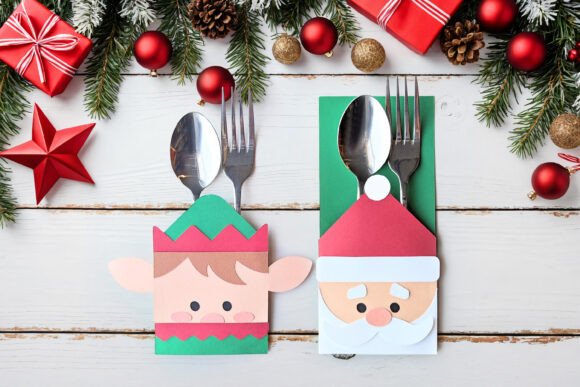
When you first load the file into your digitizing software or previewer, the immediate takeaway is its playful yet structured nature. The concept of a "silverware sleeve" suggests utility, but the addition of a Santa Elf theme injects whimsy. In my experience, successful embroidery project designs balance charm with clarity. If a design is too cluttered, it loses its impact on fabric. If it is too simple, it feels cheap.
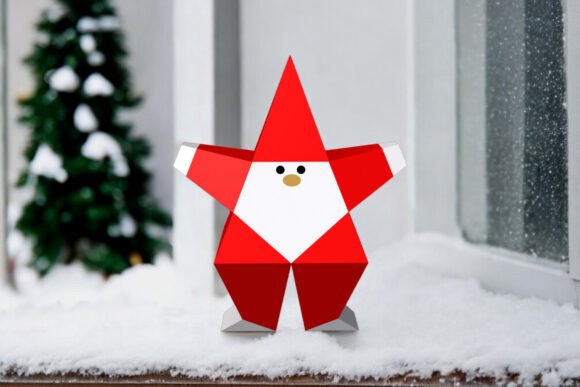
This design strikes a solid middle ground. The silhouette of the elf, combined with the cylindrical shape of the sleeve, creates a balanced composition that works well for various placements. It feels like a natural fit for holiday embroidery collections. The mood is cozy and inviting, which is exactly what customers are looking for when they browse for personalized gift ideas during December. It doesn’t scream for attention; rather, it invites the viewer to imagine it sitting on their dinner table or hanging in their kitchen. For a small shop product, this kind of understated charm often converts better than overly complex scenes because it feels authentic and handmade.
Real-World Application: Where Does It Shine?
I evaluated this design with several specific use cases in mind, focusing on products that have high turnover rates during the holidays. The most obvious application is, of course, kitchen textiles. Tea towels, aprons, and dishcloths are staples in any craft business inventory. Because the design is relatively contained, it fits perfectly within standard hoop sizes without requiring excessive trimming.
However, one of the most promising applications I found was for tote bag design projects. A canvas tote embroidered with this elf motif makes for an excellent stocking stuffer or hostess gift. The sturdy nature of canvas allows the stitch density to stand out without distorting the fabric. Similarly, I envision this working beautifully on baby clothes. A soft onesie or a burp cloth featuring this design would appeal to parents looking for unique, non-generic holiday items. The embroidered patch aesthetic also lends itself well to caps and beanies, adding a touch of seasonal flair to winter accessories.
For commercial embroidery professionals, this design offers versatility. It can be used as a standalone focal point or incorporated into a larger set. Imagine a matching set where the same elf motif appears on a mug cozy, a wine bottle holder, and the silverware sleeve itself. This kind of cohesion builds brand consistency and increases the perceived value of the finished product. Customers are more likely to buy multiple items if they feel part of a curated collection.
Material Considerations and Fabric Texture
The success of any embroidery file depends heavily on the substrate. When using the Santa Elf Silverware Sleeve SVG, I recommend sticking to medium-weight fabrics. Cotton blends for aprons and tea towels are ideal because they provide enough stability for the stitches to sit flush. If you attempt this on very thin or stretchy fabrics, such as lightweight jersey knits, you may encounter puckering unless you use a high-quality cut-away stabilizer.
Textured fabrics, like heavy waffle-weave towels or boucle blankets, present a different challenge. The raised texture can obscure the finer details of the design, particularly if the design relies on tight satin stitch work for outlines. In these cases, the contrast between the thread and the fabric becomes paramount. Dark threads on dark textured fabrics will disappear, while bright reds or greens might get lost against a similarly colored weave. Always test your thread colors against your chosen fabric under natural lighting conditions before committing to a full production run.
Technical Execution and Design Clarity
From a technical standpoint, the layout of the Santa Elf Silverware Sleeve SVG is logical. It avoids unnecessary complexity that could lead to thread breaks or needle deflection. However, as with any detailed design, there are areas that require careful attention. The facial features of the elf and any text elements (if included) are critical. These small details define the character of the design. If the digitization is poor, the elf might look distorted or the text illegible after stitching.
I strongly advise reviewing the design in black and white mode within your software. This helps you assess the contrast and placement of the fill stitches versus the satin stitches. If the design lacks sufficient negative space, it can look muddy on the finished piece. Additionally, check the stitch density in dense areas. Overly dense sections can make the fabric stiff and uncomfortable, especially if the item is intended for wear, like a sweatshirt or hat. For home decor items like pillow covers, a slightly higher density is acceptable as it adds structure, but it should never compromise the drape of the fabric.
Common Pitfalls to Avoid
There are several scenarios where this design might not perform as well. First, avoid using it on curved surfaces like baseball caps unless you have specialized cap hoops and experience. The cylindrical shape of a silverware sleeve translates well to flat surfaces, but curving that image onto a rounded brim can distort the proportions. Second, be cautious with dark fabrics. Unless you are using a heavy backing stabilizer and possibly a tear-away underlay, light-colored threads may show through the fabric weave, creating a ghosting effect.
Another common mistake is ignoring the finish. A handmade product is judged by its finishing touches. Loose threads, visible stabilizer residue, or uneven edges can undermine the professionalism of even the best design. Ensure you are using proper trimming techniques and removing all excess stabilizer to maintain a clean, polished look.
Final Verdict for Designers and Sellers
The Santa Elf Silverware Sleeve SVG is a solid addition to any holiday-focused design library. It offers a clear, charming aesthetic that resonates with customers looking for festive, functional items. Its versatility across various product categories—from kitchen towels to apparel decorators—makes it a valuable asset for creative entrepreneurs.
To maximize its potential, always test the design on scrap fabric first. Check the hoop size compatibility, inspect small details for clarity, and confirm licensing terms before selling finished items or digital products. By paying attention to these practical details, you can ensure that your embroidery project not only looks great but also stands up to the rigors of everyday use. For those willing to invest the time in proper execution, this design has the potential to become a bestseller in your digital product sellers catalog or a standout item at your next craft fair.
In summary, if you are looking for a design that balances holiday cheer with practical application, this is a strong contender. It respects the limitations of the medium while maximizing the emotional appeal of the subject matter. Just remember: the magic happens in the details, so take your time, test thoroughly, and let the quality of your work speak for itself.